What’s Wrong with Rights?
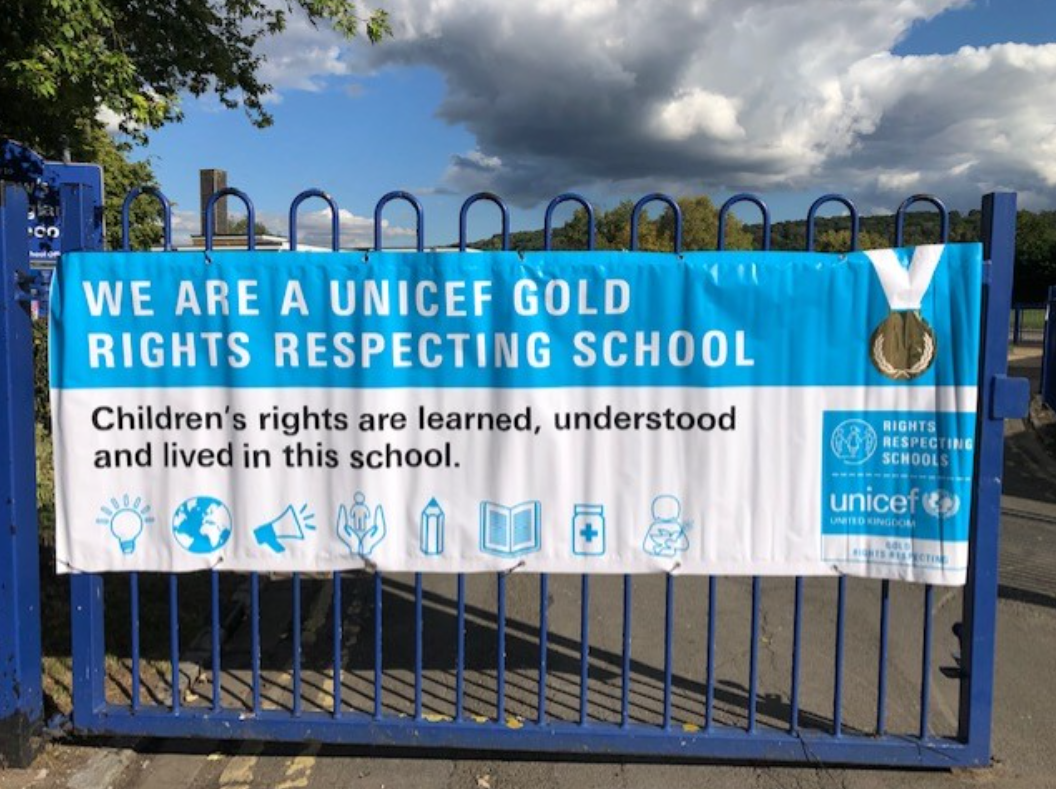
Rights are now often seen as a substitute for religion-based morality, a touchstone of moral objectivity in a pluralistic society and world. A rights culture is being vigorously promoted in schools and beyond. Children’s novels feature Human Rights Campaigners as the heroes, children of all ages are supplied by the government with glossy leaflets outlining their rights, and there are even children’s songs that sound like Sunday School songs, singing about human rights. While other moral principles are discussed as subjective opinion, rights are presented as facts.
Following the early flowering of rights alongside the French and American Revolutions, our current era of Human Rights arose in response to the horrors of the Nazis and the Second World War. The international currency of human rights has helped put pressure on rogue regimes, strengthening the hand of the oppressed in many contexts. The worthy goal of preventing individual interests from being sacrificed for the ends of the state has been realised in multiple cases.
But, though retaining appreciation of the positive aspects and achievements of rights, many people have reservations about human rights and the moral culture surrounding them. These concerns are often difficult to articulate, but the cry of “I KNOW MY RIGHTS!” in Britain is more associated with the barrack-room lawyer or dangerous criminal than with the genuinely oppressed.
So what’s wrong with rights? Here are a few pointers.
- They are often vague and vulnerable to unforeseen and spurious applications. For example, a ‘right to life’ might seem like just a different way of saying ‘don’t murder’, but it can be applied more widely. For example, refusal to supply an expensive medical treatment of dubious validity could be contested as a violation of the ‘right to life’.
A little parable illustrates the point nicely. Imagine an oppressive state using sleep deprivation to torture prisoners. The world community is outraged. One option could have been to enact a ban on using sleep deprivation as a means of torture, but, no, surely it is better to create The Right To An Undisturbed Night’s Sleep. The oppressive regime ignores it, but angry divorcees can now sue their ex-husbands for years of snoring.
Straightforward prohibitions are often more specific and clear than rights-based alternatives, but Governments like to sound so enlightened and generous by conferring rights on their citizens, instead of telling them what they are not allowed to do.
- Rights tend to proliferate on each side of every debate. Deciding between competing rights is often a highly subjective business. This leaves a void to be filled by judicial activism, with judges’ personal interpretations and decisions holding sway, instead of upholding clear democratically agreed laws.
- The tendency to replace the right/wrong distinction with rights/responsibilities may appeal in a society infused with relativism, but it fails to capture fully the nature of morality and evil. For example, rights language can struggle to articulate the distinction between moral culpability and accidental harm caused. A fatal road accident caused by momentary carelessness and another caused by wilful recklessness both equally “deprived a person of the right to life” and infringed the “right to be safe on the road”. Who’s to blame? Driver? The planner who decided not to put a crash barrier along that section of road?
- Rights culture can encourage a victim mentality: one can plead “my rights have been infringed” without having to point the finger of accusation at anyone. The prospect of engaging in dispute should be the occasion for careful reflection: is the relational damage and stress justified by the grievance? Rights language can tend to bypass that process. The Scottish Human Rights Commission wants to see Human Rights culture infusing our daily interactions with each other.
- Rights talk engenders a confrontational ethos, as rights claims sound so absolute – assumed to be the last word in debate, trumping all other considerations. Compromise is less likely once rights claims have entered the dispute. Settling the issue in the middle ground seems an inadequate result once one has made a rights claim that should force the opposition into submission.
- Rights intended to enshrine permissions or protected choices eventually get interpreted as entitlements, without specifying who is supposed to supply the demand. Should the government supply wives to bachelors in response to their Right to Family Life?
- A culture that places rights at the centre of its morality will suffer from an inherent bias on some issues. Anyone doubting this should remember that Peter Tatchell is routinely referred to as a “Human Rights Campaigner”. A rights ethos favours the side arguing that people should be allowed to do what they want to do, and suppresses arguments about indirect impact on wider society. A rights culture provides a foundation for permissive secular values – and that is exactly why many politicians are so enamoured by them.
Rights language helps permissive campaigners to delude themselves that they are a continuation of the same movement that ended apartheid and opposes torture, while they campaign to, for example, smoke cannabis or kill the unborn.
- Finally, rights lack the objective grounding that is often assumed to be self-evident. They are disputed in many parts of the world, particularly in Muslim majority countries. A glance through lists of rights shows that there is much that is debatable in them. Is paid holiday really a fundamental universal moral imperative?
I see much in Human rights that affirms and protects the dignity, value and freedoms of every human.
But I am concerned that our society is objectifying rights while relativising conventional moral judgements, leaving us with a system that fails to distinguish properly between good and evil.
There is more to morality than rights.
Richard Lucas